Guides
Why LED Flashlights Get Hot
Most of the power going into an LED comes back out as heat rather than light. Everything else on this page follows from that one fact.
By Scooter M. · Published September 2, 2026
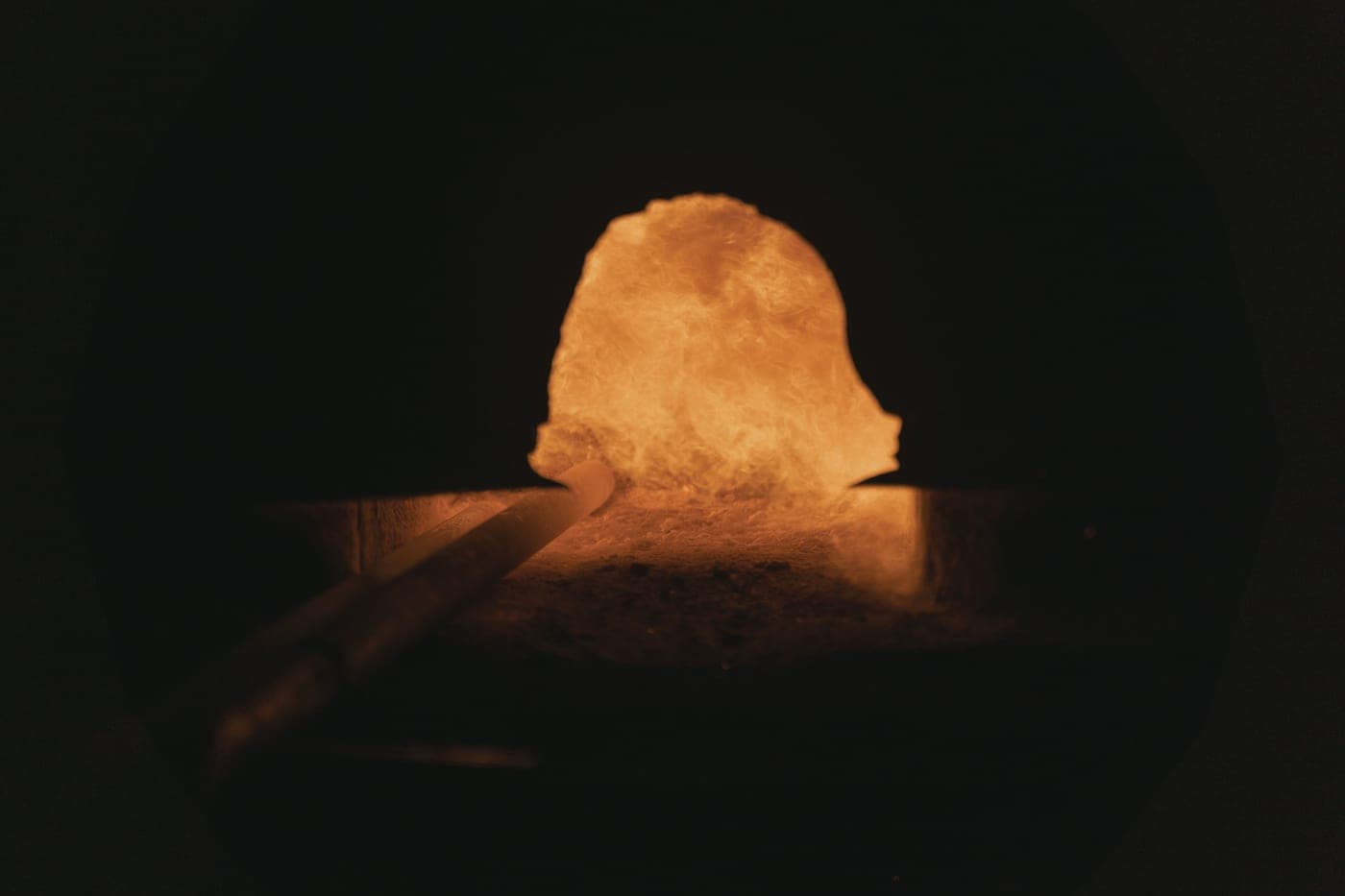
Where the heat comes from
An LED converts only part of the electrical power it draws into light; most of the rest becomes heat at the emitter. In a small aluminum body there is nowhere for that heat to go except the body you are holding, so a light run at high output gets hot within a minute or two. That is normal and expected.
The body is not incidental to this — it is the heatsink. The aluminum around the head exists to conduct heat away from the emitter and radiate it, which is why lights designed for sustained high output are physically larger and heavier than their optics require. Maglite can publish over three hours at 1,082 lumens on the ML150LR partly because there is a lot of metal in it.
Why it dims: thermal step-down
LEDs lose efficiency as they heat and degrade permanently if they get hot enough, so the driver reduces current once the body reaches a set temperature. Your light dims; the design is working. A light that did not do this would destroy its own emitter.
Two manufacturers publish how long that takes. NEBO states 500 lumens for 30 seconds as the SLIM Mini 500's turbo specification. Streamlight publishes the Wedge's THRO mode as a 1,000-lumen, 35-second burst. Wurkkos publishes the automatic step-down from turbo to high on the TS10 as a stated behavior. Those are the honest versions of what almost every light does.
When heat is normal
- Warm to hot within a minute or two on the highest mode. Expected on any small light.
- Output dropping noticeably after 30 to 90 seconds on turbo. That is step-down, and it is deliberate.
- The head getting hotter than the tail. The emitter is at the head; the heat path runs from there.
- Getting hot faster in still air or inside a pocket, where there is no convection to carry heat away.
When heat is a problem
- Too hot to hold on a mid or low mode. A light should be comfortable at anything below its maximum.
- The tail or the battery tube getting very hot rather than the head. That points at the cell or a poor connection, not at the emitter.
- A hot light that is also refusing to switch on, or that smells. Stop using it, remove the cell if you can, and do not charge it.
- A swollen cell. Stop immediately and dispose of it properly. This is not a repair.
How to keep it cooler
- 1.Use a lower mode. Almost nothing needs maximum output for more than a few seconds, and the mode below it usually runs several times as long.
- 2.Do not run high output in a pocket or a bag. Still air is the enemy of a heatsink, and a light running unnoticed in a pocket is the classic case.
- 3.Hold it by the tube rather than the head, so your hand is not insulating the part that needs to radiate.
- 4.Enable the lockout if your light has one. A light that switches itself on in a bag will run to flat and get very hot doing it.
Why the biggest lights run coolest
Surface area. A physically larger light has more metal to absorb heat and more area to radiate it, so it can sustain a given output for far longer before stepping down. That is the real reason Streamlight can publish two hours at 2,000 lumens on the 12.3-ounce Stinger 2020 while a 32-gram pocket light publishes one hour fourteen at 1,400.
It is also why a headline output on a very small light should be read as a burst. There is no design trick that removes the need to put the heat somewhere, and our guide to inflated lumen claims works the energy arithmetic through in full.
Units we claim to have tested: 0
Every publisher in this category says they tested twenty flashlights. We have not tested any, and we say so. What we do instead: compile the manufacturer's own published ANSI FL1 figures, pull the price the light is selling for right now, and divide one by the other. Every number on this page is one you can check yourself in about two minutes.
Common questions
Why does my LED flashlight get so hot?
Because an LED turns most of the power it draws into heat rather than light, and in a small aluminum body the only place for that heat to go is the body itself. Warm to hot within a minute or two on maximum output is normal. Too hot to hold on a mid or low mode is not.
Why does my LED flashlight keep going out or dimming?
Almost always thermal step-down: the driver reduces current once the body reaches a set temperature, to stop the emitter degrading. NEBO publishes a 30-second turbo duration for the SLIM Mini 500 and Streamlight publishes a 35-second burst for the Wedge — those durations are exactly what your light is doing when it dims.
Is it bad for a flashlight to get hot?
Not in itself — heat is an unavoidable byproduct and the body is designed as a heatsink. It becomes a problem if the light is too hot to hold on a mid or low mode, if the tail rather than the head is hot, or if the cell is swollen or smells. In those cases stop using it and remove the battery if you safely can.
Sources
- NEBO published product specifications — mode-by-mode lumen, runtime and beam figures, read 2026-09-01; LUXTREME SL75 and SL50 read 2026-09-22; OMNI 2K and SLYDE KING 4K read 2026-10-18
- Streamlight published product specifications — per-mode lumens, runtime, beam distance, impact and IP ratings, read 2026-09-01; Waypoint 400 and Waypoint C-cell read 2026-09-22; FlipMate read 2026-10-18
- Wurkkos published product specifications and user manuals — FC11 and TS10 read 2026-09-01; FC11C read 2026-09-21
- Maglite published product specifications — ML150LR read 2026-09-01; MAG-TAC Rechargeable (plain bezel) and Mini Maglite Pro LED read 2026-10-10; ML300LX 3-Cell D and ML50LX 2-Cell C read 2026-10-13
- Lumen & Ledger method — how every figure on this page is derived
Who writes this
Scooter M. — I am an enthusiast who is genuinely into this. I read the manuals, compile the published specs, and do the math. No lab coat, no test bench, no drawer of free samples. What I can tell you is exactly what a light claims on paper, exactly what it costs right now, and what those two numbers mean when you divide one by the other.
Read next
The 10,000-lumen problem
Why the biggest number on the box is the one you can use for the shortest time.
ANSI FL1 explained
The standard behind the numbers, and what a brand is telling you by not citing it.
Best high-lumen rechargeable flashlights
High output judged on sustained performance rather than a thirty-second peak.
Flashlight runtime explained
Why a published runtime can be honest and still describe a light that dimmed an hour ago.
How many lumens do you actually need?
A table by use case. Most people need far fewer than the box is selling them.
The Ledger
Every light we cover in one ranked table, sorted by lumens per dollar.