The specification is shelf life
An emergency light spends almost its entire life doing nothing, and then has to work on the first press. That single fact makes shelf life the specification and brightness a secondary concern, and it is why the answers in this hub differ from every other page on this site.
This is also the one place where our headline metric leads you astray, and we would rather say so than quietly rank around it. Lumens per dollar measures what you get on the day you buy. An emergency light is judged on what it does years later, on a day you cannot predict, and no ratio computed today can see that.
What to buy first
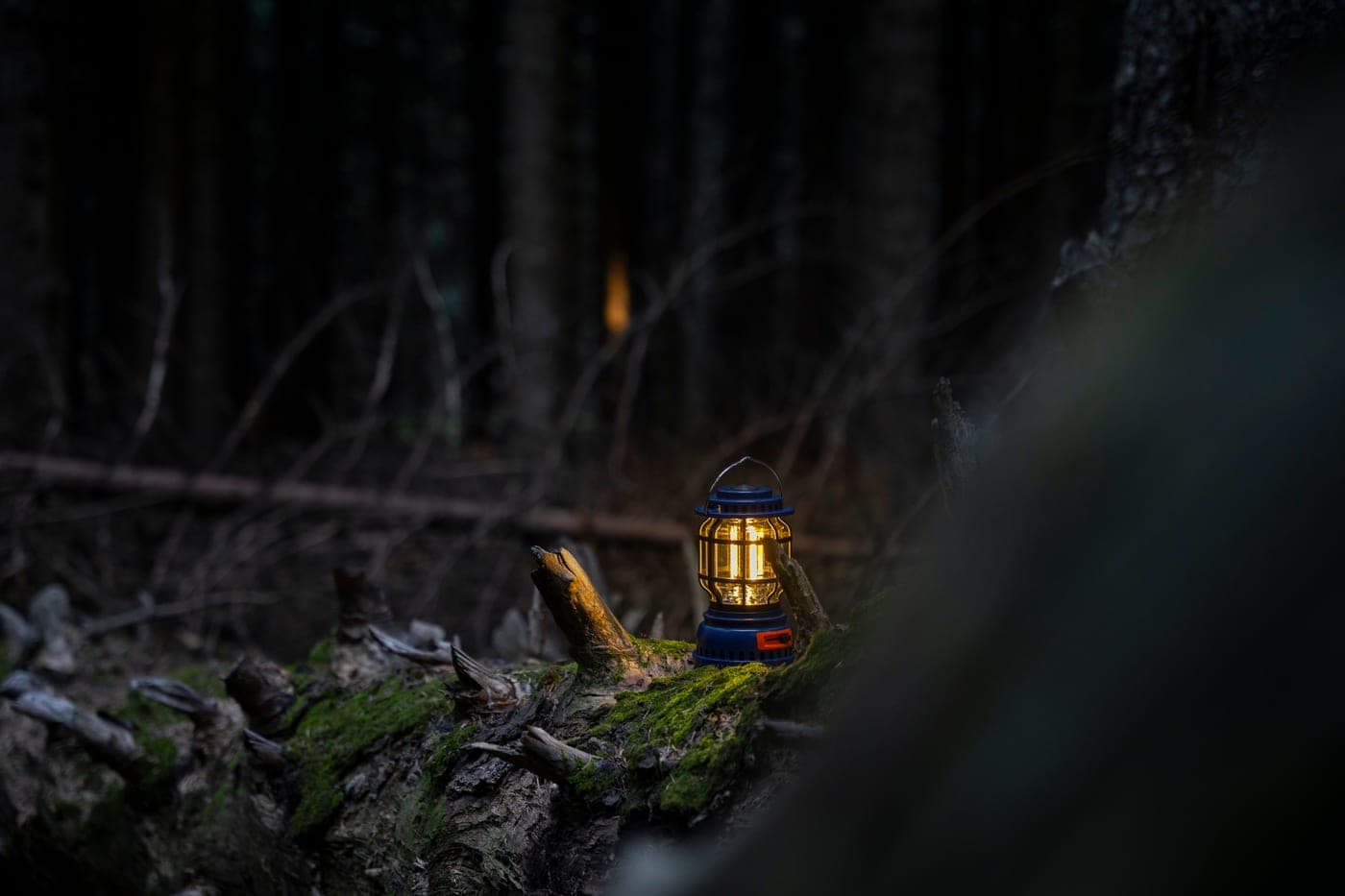
A lantern that runs on ordinary cells. An outage is spent in rooms rather than in beams, and a lantern makes a kitchen table usable in a way a flashlight does not. Streamlight publishes 200 lumens for seven hours, 50 lumens for thirty-seven and a red mode at 192 hours on the Siege AA, which is IPX7 and floats.
Then a handheld on AA cells and a headlamp with a battery fallback. NEBO publishes 2,000 lumens for two and a half hours on nine AA cells for the Newton 2000. Petzl's ACTIK CORE runs on its rechargeable pack or three AAA cells. Between them that covers moving around, working with both hands, and being re-powerable from a shop shelf.
How the category divides
By where the light lives, which determines what will kill it. A house drawer is benign — the only enemy is time. A car is brutal: a parked car can exceed 60C in summer and drop below freezing in winter, and heat is the single biggest accelerator of lithium-ion aging. A garage or basement sits in between and adds damp.
By battery architecture, which is the defense. Alkaline cells store for years and can be bought mid-outage. Hybrid designs — NEBO's Flex-Power range, Petzl's HYBRID CONCEPT — give you rechargeable convenience with an ordinary-cell fallback. Sealed lithium is the worst option for storage and the best for daily use, which is why it is the wrong choice here specifically.
What decides price
Runtime at a low usable setting, water rating, and whether the design accepts more than one power source. A lantern publishing 37 hours at 50 lumens has been engineered for endurance rather than peak output, and that engineering is what you are paying for.
The mistake people make
Buying one very good rechargeable light and putting it in a drawer. Two years later it is flat, and the outage is exactly the moment you cannot charge it. The fix is not a better light; it is a different battery architecture and one more light in a different room.
The second mistake is mixing battery types across the house. If everything takes AA cells, one box covers the lot and you will actually have spares. Mixing AA, AAA, D and two proprietary packs guarantees that the light in your hand is the one you have no spare for.