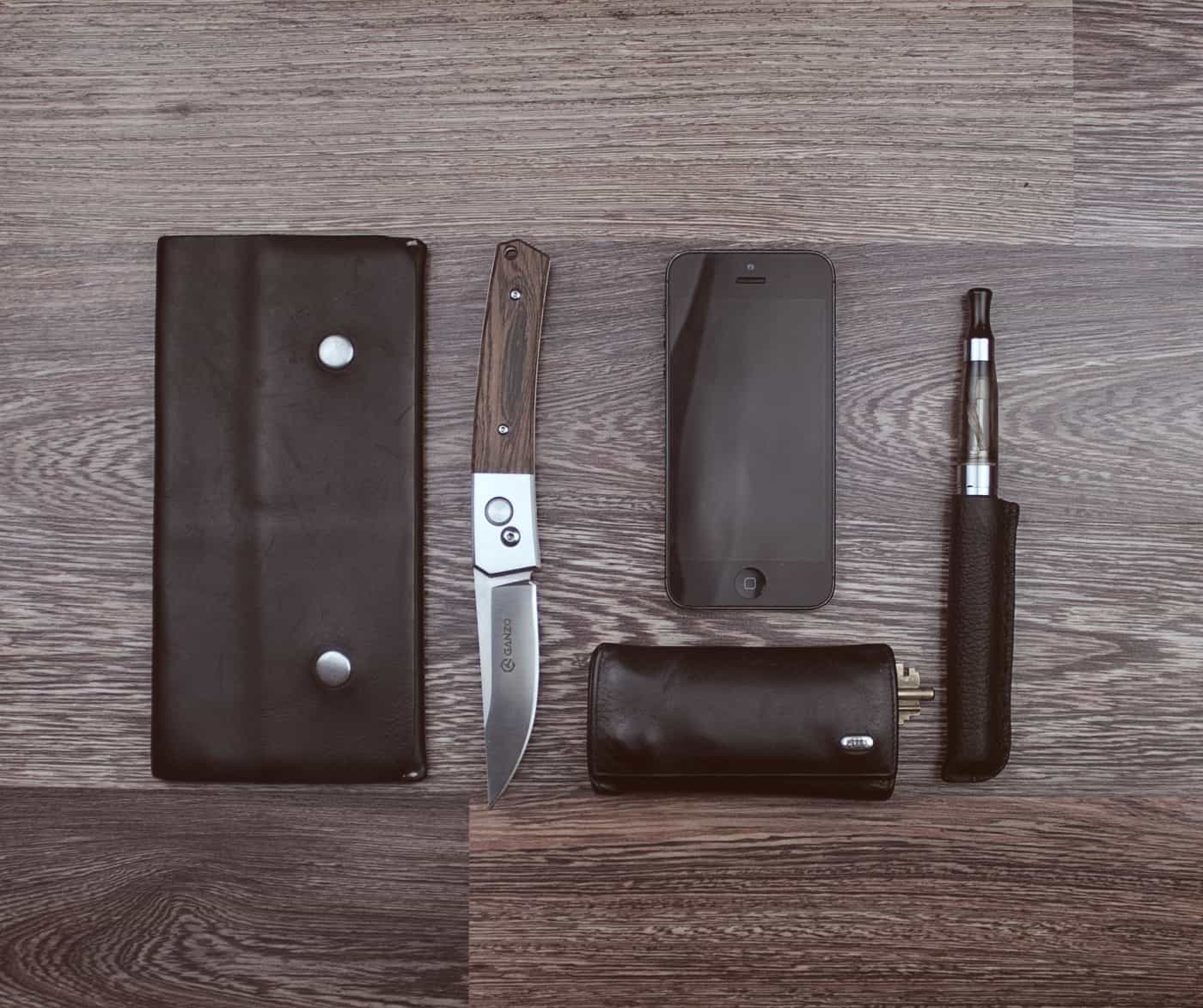
Best budget EDC
Best Budget EDC Flashlights
Weight and pocket shape ranked ahead of output, with published figures for both.
Top pick: Wurkkos TS10 V2
Check price on Amazon
We show a price only when we have pulled a live one. #ad How we earn
Category
The cheapest honest entry into the category, and the one where a light you never carry scores zero regardless of its specification.
Start here
Thirty-two grams, three 90-CRI emitters, and one of the very few budget lights whose maker publishes the runtime at maximum output: one hour fourteen at 1,400 lumens. Publishing that number at all puts Wurkkos ahead of several brands ten times its size.
See the numbers →We show a price only when we have pulled a live one. #ad How we earn
Disclosure — we earn a commission on qualifying purchases made through the Amazon links on this page, at no extra cost to you. It does not change which lights we pick or what we say about them. The full version.
How we rank. Published ANSI FL1 output divided by the live retail price, with sealed-battery lights marked down because a light you cannot re-cell is a light with an expiry date. Units we claim to have tested: 0 — we compile manufacturers' published figures and show the arithmetic instead. How we work this out.
The light you carry beats the light you own. Everyone who has bought a flashlight has at some point owned an excellent one they stopped carrying because it was heavy, printed on their trouser leg, or dug in when they sat down. The specification that predicts whether a light gets carried is mass and shape, and neither is on the front of the box.
So this hub ranks weight and pocketability above output, which is a genuine departure from the rest of the site. A 250-lumen light finishes above a 2,000-lumen one here and nowhere else, because in a pocket the 2,000-lumen light is a light that stayed at home.
Something under about 60 grams with a replaceable cell, a published water rating and a usable low mode. Wurkkos publishes 32 grams, a replaceable 14500, IPX8 and one hour fourteen minutes at 1,400 lumens for the TS10 V2 — a rare case of a budget light publishing its runtime at maximum output.
If flatness matters more than a replaceable cell — for a dress pocket, a shirt pocket, a scrubs pocket — the sealed designs are genuinely better shaped. Streamlight publishes 1.2 ounces for the MicroStream and 3.3 ounces for the flat-bodied Wedge, and accepts the sealed-cell trade to get there.
By cell format, mostly. Keychain lights on 130-to-750 mAh sealed cells or a 16340. Pocket lights on a 14500, which is the sweet spot: enough capacity to be useful, small enough to keep the light near 30 grams. And full-size pocket lights on an 18650, which adds roughly 45 grams and real length in exchange for several times the runtime.
The second division is switch position. A tail switch lets you use the light in a forward grip and signal with it; a side switch is easier to reach one-handed while holding something. Neither is better; they suit different hands and different jobs.
Machining quality, the clip, and the charging arrangement. A deep-carry clip stiff enough not to slide off is a real manufacturing cost and it is the feature you will use most. Olight puts the charging contact in the cell on the i5R EOS, removing the port failure entirely at the cost of a proprietary battery. Both of those show up in the price and neither shows up in a lumen figure.
Buying more output than a pocket can carry. A 1,000-lumen pocket light sounds better than a 300-lumen one and weighs more, runs shorter, gets hotter and gets left at home. Buy the light you will have on you, then find out whether you ever wanted more — most people do not.
The second mistake is ignoring the low mode. The mode you will use most on an everyday light is the dimmest one, because it does not destroy your night vision or wake anyone, and it runs almost indefinitely. A light without a good sub-10-lumen setting is missing the mode you will live in.
7 pages, each with the picks and the arithmetic behind them.
Best budget EDC
Weight and pocket shape ranked ahead of output, with published figures for both.
Top pick: Wurkkos TS10 V2
We show a price only when we have pulled a live one. #ad How we earn
Best EDC under $50
The four things a fifty-dollar pocket light should have, and the lights that have all of them.
Top pick: Wurkkos TS10 V2
We show a price only when we have pulled a live one. #ad How we earn
Best keychain light
Tiny cells, short lives, and the one keychain-sized light with a battery you can replace.
Top pick: Sofirn SC21 Pro
We show a price only when we have pulled a live one. #ad How we earn
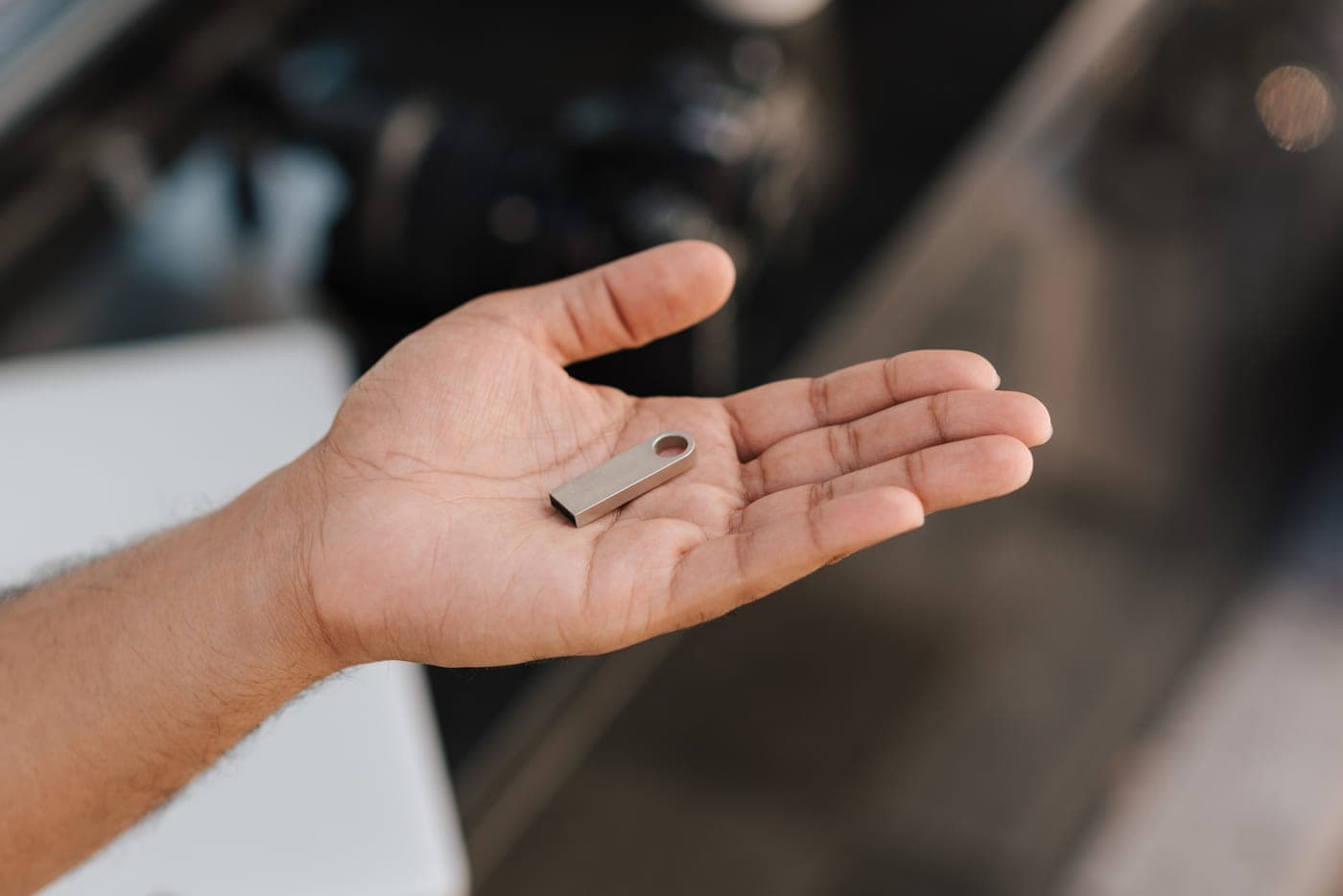
Best USB-C keychain light
One cable, small cells and the port that lives in a pocket full of lint.
Top pick: Olight i1R 2 PRO
We show a price only when we have pulled a live one. #ad How we earn

Best EDC under $30
Where a pocket light stops being a purchase and starts being a subscription, and the two lights that avoid it.
Top pick: Wurkkos TS10 V2
We show a price only when we have pulled a live one. #ad How we earn
Best pocket light
Ranked on published millimeters and grams rather than price or output, with a size table you can hold a ruler against.
Top pick: Wurkkos TS10 V2
We show a price only when we have pulled a live one. #ad How we earn
Best EDC gift
Judged on whether it works out of the box, not on lumens per dollar. That rules out lights we recommend elsewhere.
Top pick: Fenix E06R
Price as of October 18, 2026 — 13 lumens per dollar. #ad How we earn
Two hundred to five hundred lumens covers essentially everything an everyday light is asked to do and keeps it small enough to actually carry. What matters more is the lowest mode: a usable setting under 10 lumens is far more pleasant at night and runs for hours — Wurkkos publishes 6 hours 43 minutes at 1 lumen on the TS10.
Light enough to forget. Wurkkos publishes 32 grams for the TS10 V2 without its cell and Streamlight publishes 1.2 ounces for the MicroStream — both disappear in a pocket. Shape matters as much as mass: a flat light lies against your leg while a round one rolls into a lump.
It should if you intend to keep it. A light built around a 14500 or 16340 can be re-celled for a few dollars indefinitely; a sealed light has a service life set by its battery. The trade is that sealed designs can be smaller and flatter, which is a genuine advantage in a pocket.
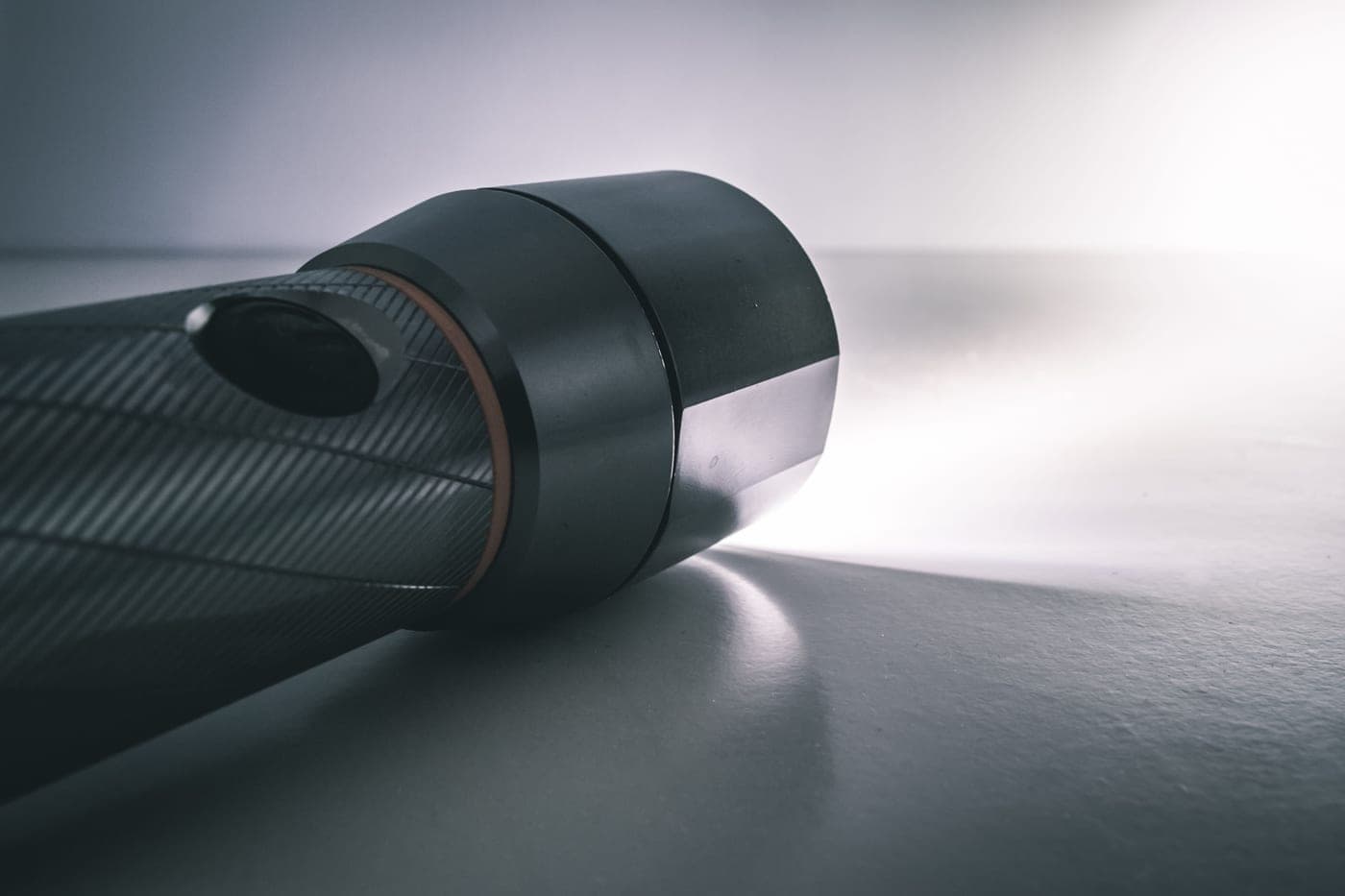
Category
Handheld lights from under $20 to around $60, ranked by lumens per dollar with the marketing numbers taken apart.
Category
How lumens are measured, why the big number shrinks, which cell your light takes, and what to do when it stops charging.
Signature
Every light we cover in one ranked table, sorted by lumens per dollar and priced live.