Best work light
Best Rechargeable Work Lights
Flood coverage, color rendering and sustained runtime — the three things that matter at arm's length.
Top pick: Streamlight Syclone
We show a price only when we have pulled a live one. #ad How we earn
Category
Area and task light for the garage, the jobsite and the campsite, where sustained output beats a headline turbo figure every time.

Start here
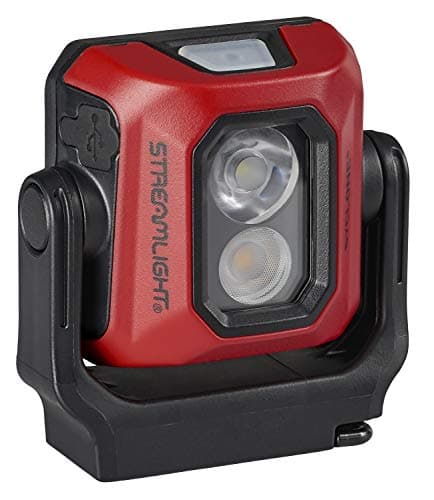
Four hundred lumens of spot for two hours or 300 lumens of 90-CRI flood for the same, in a 5.3-ounce body that clips, magnets and stands. Every mode's runtime is published, including the flood modes most brands ignore.
See the numbers →We show a price only when we have pulled a live one. #ad How we earn
Disclosure — we earn a commission on qualifying purchases made through the Amazon links on this page, at no extra cost to you. It does not change which lights we pick or what we say about them. The full version.
How we rank. Published ANSI FL1 output divided by the live retail price, with sealed-battery lights marked down because a light you cannot re-cell is a light with an expiry date. Units we claim to have tested: 0 — we compile manufacturers' published figures and show the arithmetic instead. How we work this out.
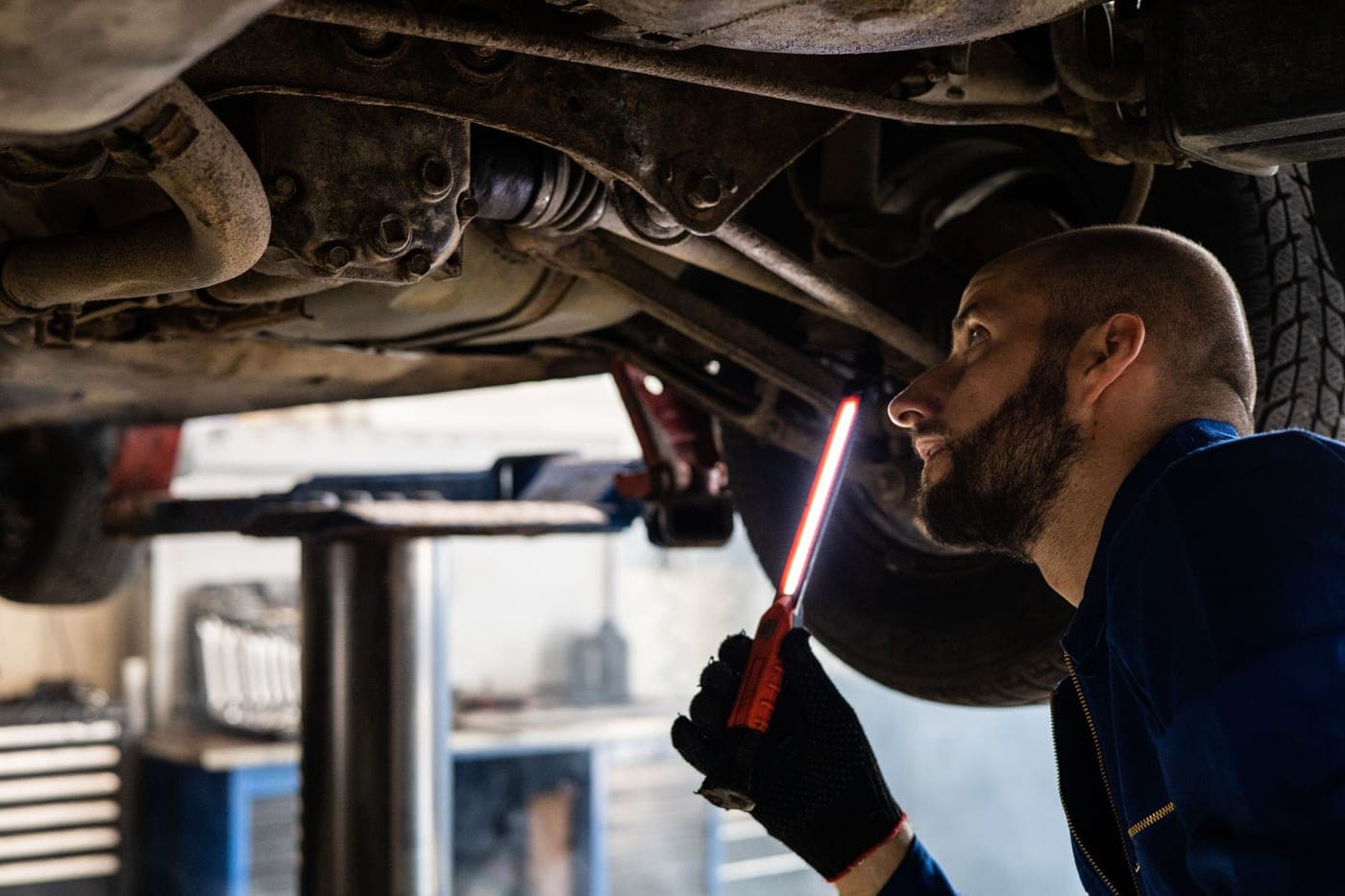
Almost all work happens within two meters of your hands, and at that distance everything a flashlight is optimized for becomes a liability. A tight hotspot lights a coin-sized circle and blows out your pupil response so the surroundings go black. What you want is a wide even flood at a moderate output, held or stuck in place so it does not move when you do.
The second inversion is color. Wire looms are color-coded; fluids are distinguished partly by color; corrosion and heat damage show up as color changes. Under a cheap 70-CRI emitter all of that is degraded, and the mistake it produces costs more than the light did. A 90-CRI flood is the single biggest upgrade available in this category and it costs very little.
A magnetic flood light in the 300-to-600-lumen range with a published runtime and a base magnet rather than a back one. That covers a garage, a bay, a loft and a fuse box, and it works better than any handheld for all four.
Add a small pocket light for looking into cavities where a panel will not fit. Streamlight publishes 250 lumens for an hour and a half on the 1.2-ounce MicroStream, which is the right size for that second role. Trying to buy one light for both jobs is a false economy, because the shapes genuinely conflict.
By shape. Bar and stick lights reach into engine bays and wall cavities and light a strip. Flat panels sit against a surface and light an area at arm's length. Lanterns light a whole room or a bay with no directionality at all. And handheld hybrids — a flashlight with a magnetic tail, like the Wurkkos FC11 — convert a pocket light into a temporary work light, which is the most useful crossover feature in the category.
Color rendering, published runtime, and mounting options. A 90-CRI emitter costs more than a 70-CRI one. A brand that publishes runtimes for both a spot and a flood mode, as Streamlight does for the Syclone, has run more tests than one that publishes a single figure. And a light with a magnet, a clip and a stand costs more than one with only a magnet, and is worth it — a great deal of modern bodywork is not ferrous.
Buying a bright handheld instead of a modest flood. A 2,000-lumen thrower in a garage is worse than a 400-lumen panel, and it costs more. The other common error is buying a rechargeable work light for a toolbox that gets opened twice a month — a lithium cell left flat in a cold toolbox is often unrecoverable, and three AA cells are not.
A lantern is a work light for a whole room, and the ranking logic is the same: hours at a usable setting rather than peak output. Streamlight publishes 200 lumens for seven hours and 50 lumens for thirty-seven on the Siege AA, which floats and runs on AA cells. For a bay, a basement or a storm, that is a better light than anything with a bigger number on the box.

5 pages, each with the picks and the arithmetic behind them.

Best work light
Flood coverage, color rendering and sustained runtime — the three things that matter at arm's length.
Top pick: Streamlight Syclone
We show a price only when we have pulled a live one. #ad How we earn

Best for mechanics
High CRI, a magnet that actually holds, and published impact ratings for a concrete floor.
Top pick: Streamlight Syclone
We show a price only when we have pulled a live one. #ad How we earn

Best magnetic
Base magnets, back magnets, and why the difference decides whether the light aims where you need it.
Top pick: NEBO BIG LARRY 3
We show a price only when we have pulled a live one. #ad How we earn

Best lantern
Ranked on published hours at a usable setting, not on the number on the box.
Top pick: Streamlight Siege AA
We show a price only when we have pulled a live one. #ad How we earn

Best camping lantern
Grams, published low-mode hours, and whether it can be re-powered three days from a socket.
Top pick: Streamlight Siege AA
We show a price only when we have pulled a live one. #ad How we earn
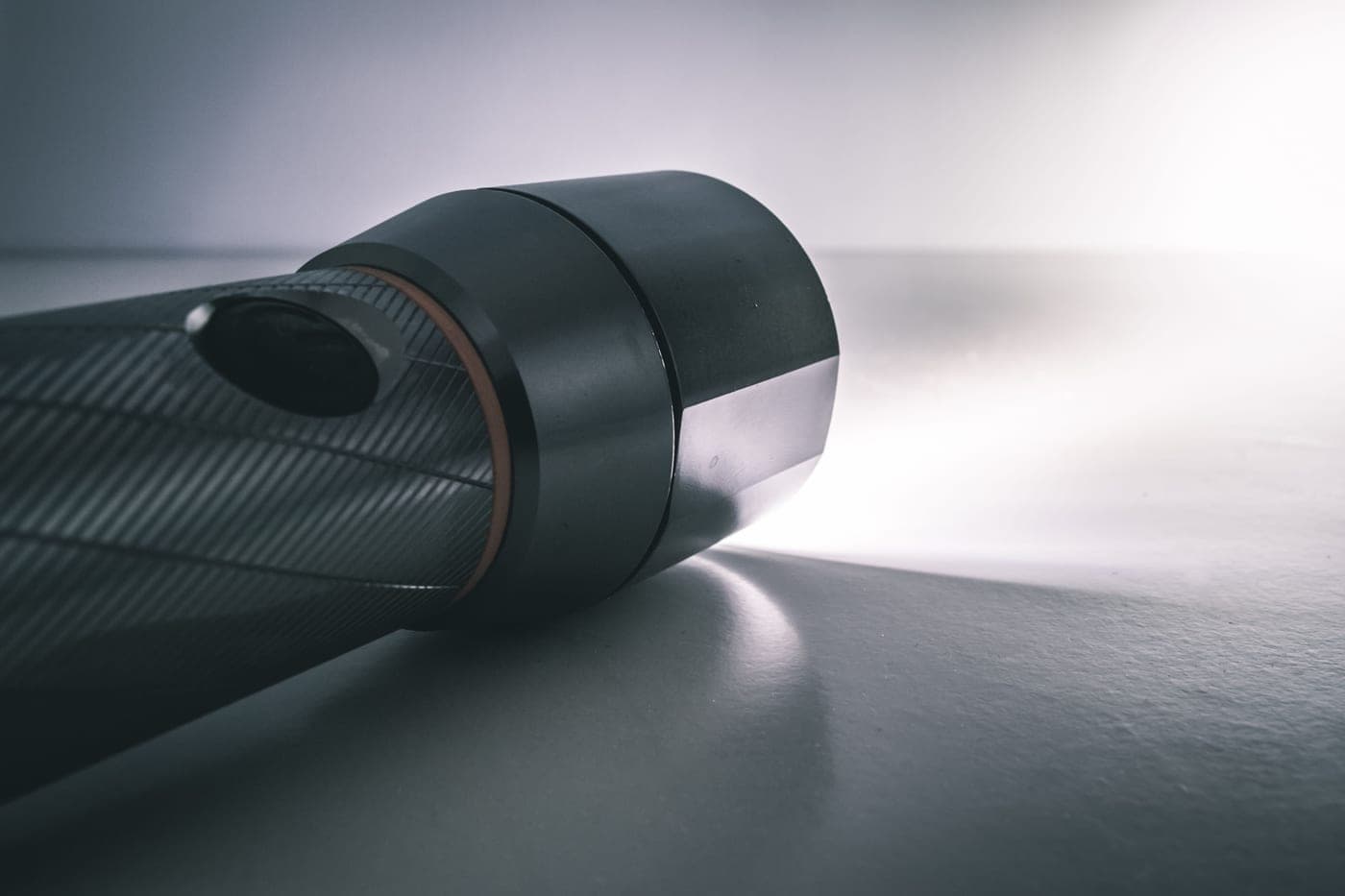
Beam shape and purpose. A flashlight concentrates light into a beam for seeing at a distance; a work light floods a wide area evenly for working at arm's length. Up close a tight hotspot is actively unhelpful — it lights a bright circle and blacks out everything around it, which is more tiring over an hour than a dimmer, wider light.
Three hundred to six hundred lumens of flood is plenty for close work and will run for hours. Streamlight publishes 300 lumens of 90 CRI flood for two hours on the Syclone; NEBO publishes 600 lumens of COB flood on the BIG LARRY 3. Higher figures mostly buy a shorter runtime and a light that is unpleasant to work under.
The Color Rendering Index, a 0-to-100 measure of how accurately a light shows colors against daylight. It matters more than lumens for work: under a typical 70-CRI emitter, red and brown wiring look similar and corrosion is hard to see. Streamlight publishes a 90 CRI flood on the Syclone, and the difference is immediately visible.

Category
Handheld lights from under $20 to around $60, ranked by lumens per dollar with the marketing numbers taken apart.

Category
Outage, vehicle and storm-kit lights, where a fully charged cell that self-discharged in a drawer is the real failure mode.

Signature
Every light we cover in one ranked table, sorted by lumens per dollar and priced live.