What to buy first in this category
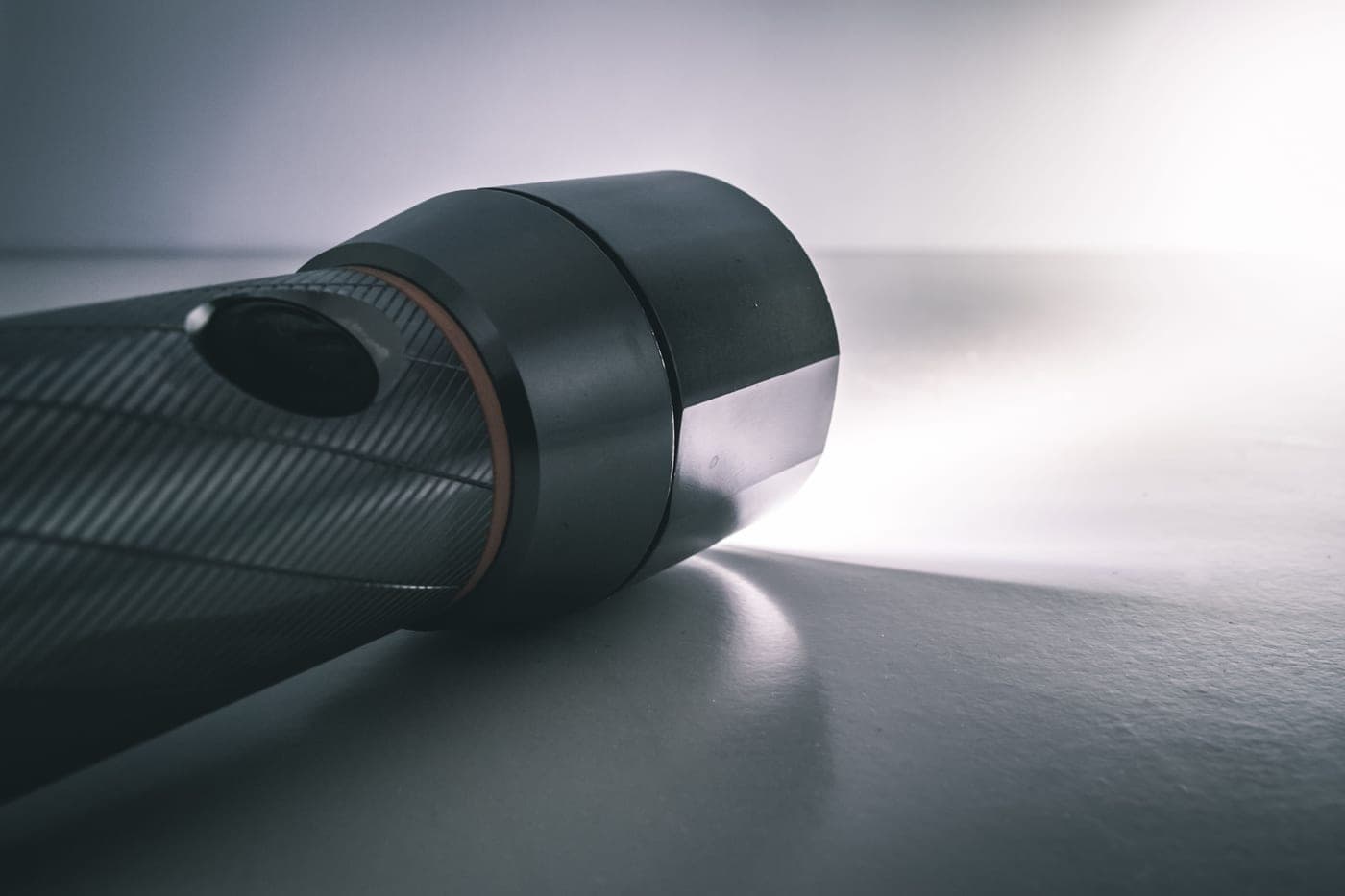
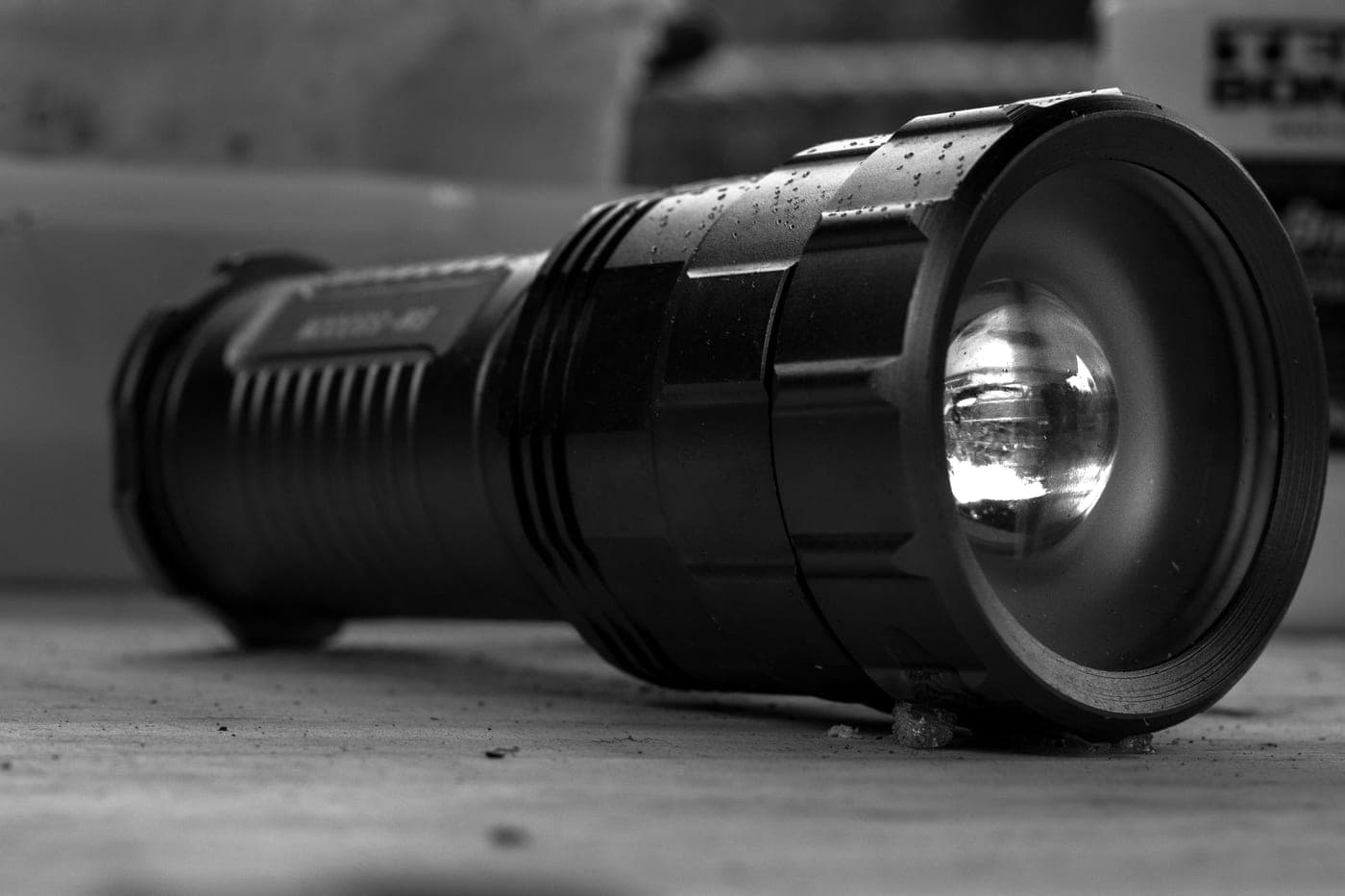
If you own no rechargeable flashlight at all, buy one built around a standard 18650 cell with a published IP rating and USB-C charging in the body, from a brand that prints a runtime somewhere on its specification sheet. That describes a light costing around thirty dollars, and it will do more of what you need than almost anything above it.
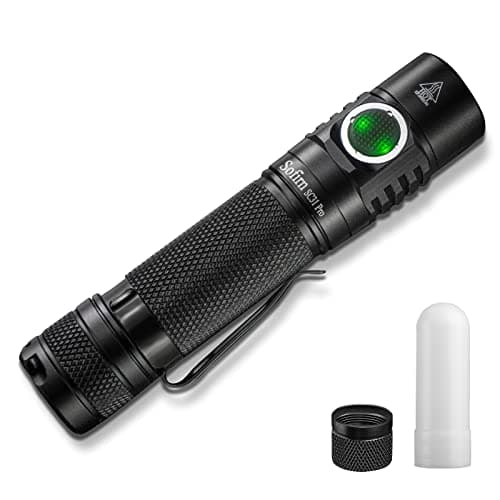
The reason to start there rather than higher is that the expensive lights are not meaningfully brighter. Sofirn publishes 2,000 lumens for the SC31 Pro; Streamlight publishes 2,000 lumens for the Stinger 2020 at several times the price. What the money buys further up is a runtime published beside that output, an impact rating, a warranty and consistency between units — real things, none of which is brightness.
How the category divides
Three ways, and they cut across each other. By price band, which is how most people shop: under twenty, under thirty, under fifty, and everything above. By cell format, which determines how long the light runs and whether you can keep it alive: 16340 and 14500 for pocket lights, 18650 as the category standard, 21700 for sustained high output. And by beam, which determines what the light is actually for: floody for close work, focused for reaching a long way.
Most buying mistakes come from mixing those axes up. Buying a high-output thrower for household use produces a light that is unpleasant indoors and empties its cell in an hour. Buying a floody pocket light to see across a field produces disappointment that no amount of extra lumens fixes.
What actually decides price at this tier
Not the emitter. The LED in a thirty-dollar light is frequently the same part as the one in a hundred-and-fifty-dollar light, and so are the driver and the cell. What separates them is testing, tolerances between units, documentation, and whether the warranty is backed by a spare-parts operation.
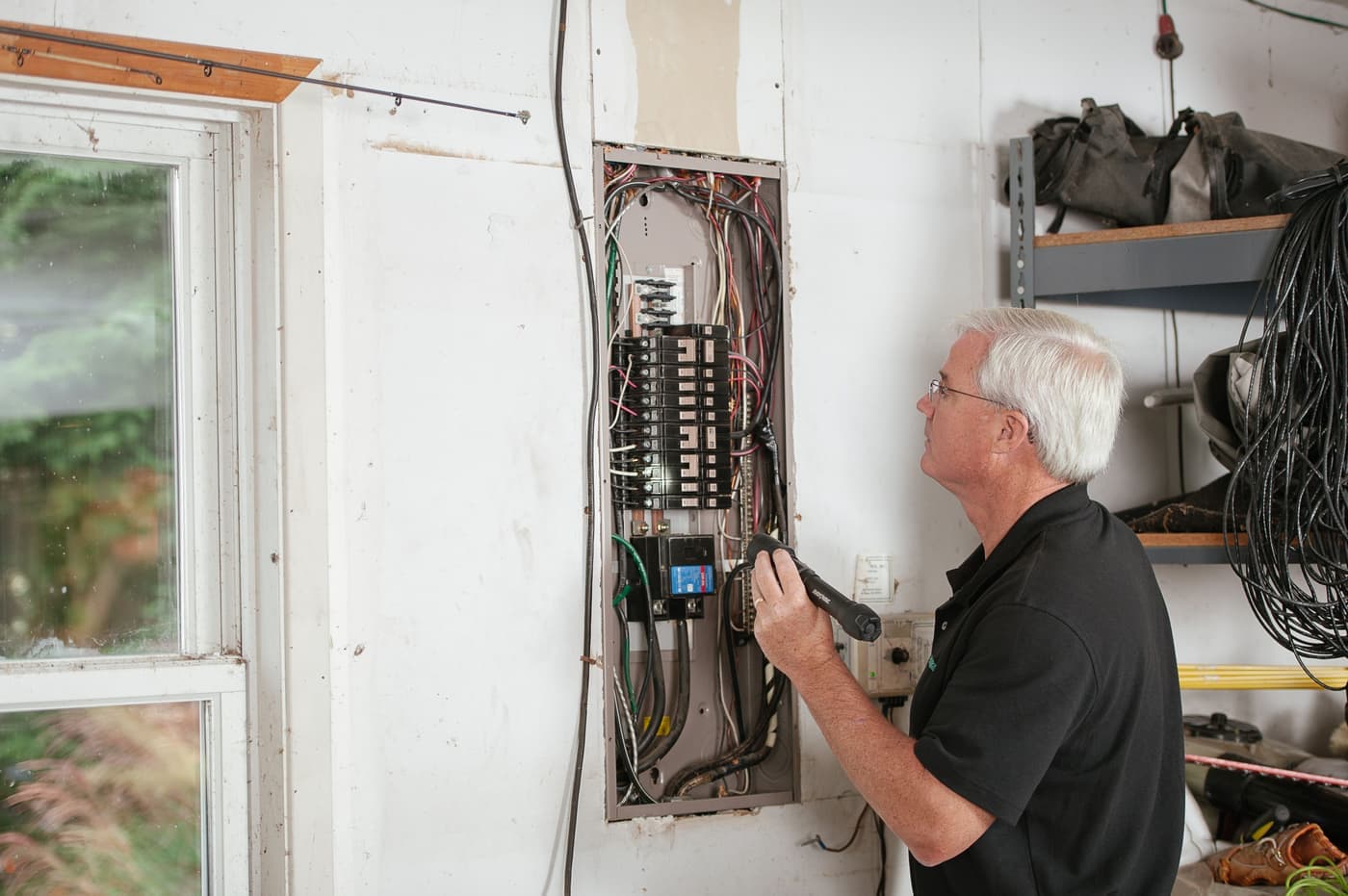
Those are worth paying for in some circumstances and not others. A light that will be issued, mounted in a vehicle, or relied on professionally should be bought on documentation and warranty. A light that lives in a kitchen drawer should be bought on value, and the value in this category is genuinely excellent.
The mistake budget buyers make
Buying on the headline lumen figure and ignoring the battery line. It is the single most consequential error available, because the lumen figure is usually a peak nobody publishes a duration for, while the battery line determines whether the light is a purchase or a subscription.
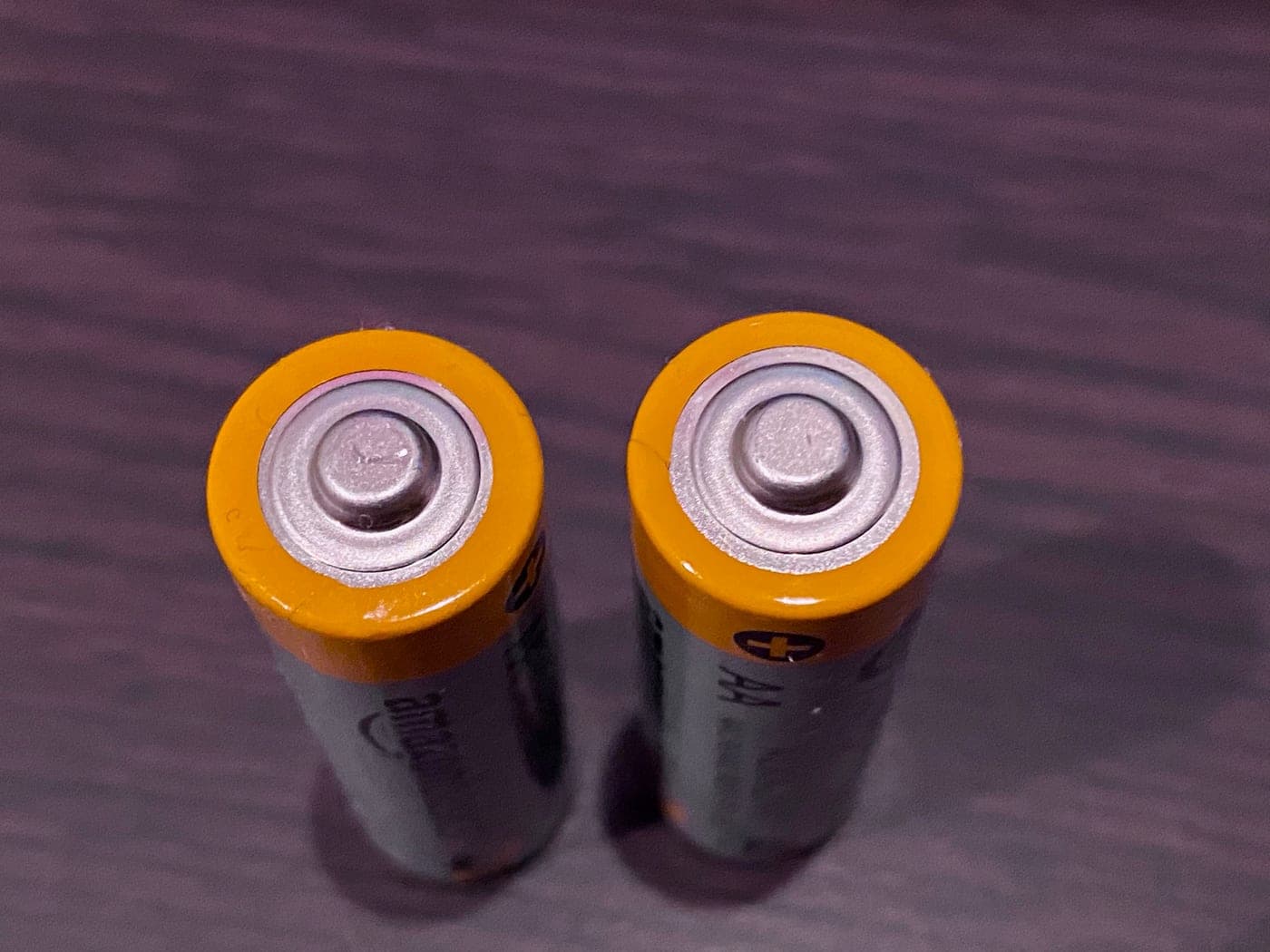
A light with a sealed cell is a consumable: when the battery reaches the end of its cycle life, the body, the optics and the switch go in the bin with it. A light with a standard 18650 can be revived indefinitely for the price of a coffee. Two lights with identical lumens-per-dollar figures on the day you buy them can differ threefold over a decade for exactly this reason, which is why battery architecture is the most heavily weighted attribute in every ranking on this site.
How to read a specification sheet in thirty seconds
- 1.Find the battery line. A named format means replaceable; 'built-in' means the light has a service life.
- 2.Find a runtime beside the highest output. If there is none, drop to the mode below — that is the light you are buying.
- 3.Find the water rating and check it has a number. IPX4 and IPX8 are very different promises.
- 4.Find the beam distance in meters if reach matters to you. Lumens and reach are only loosely related.
- 5.Everything else is detail.