Guides
How Long to Charge a Rechargeable Flashlight
Two to four hours for most lights, and the variable that changes it is almost always the charger rather than the light.
By Scooter M. · Published September 2, 2026
The direct answer
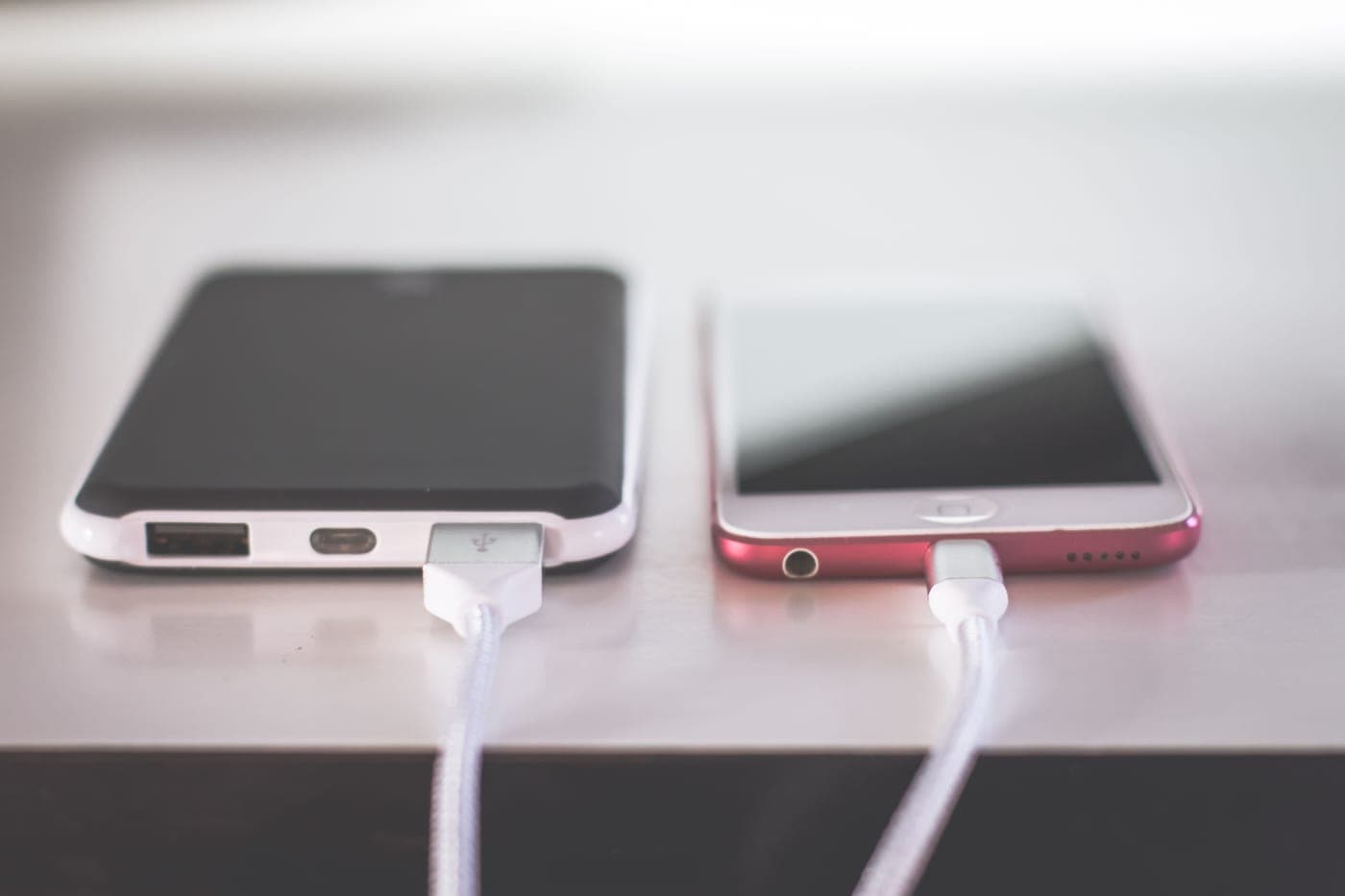
Most rechargeable flashlights take two to four hours from empty, and the biggest variable is the charger rather than the light. Sofirn publishes 2.5 hours for the SC31 Pro with a 2A adapter. NEBO publishes 2 hours for the TORCHY 3K. Plug either into an old computer USB port and the figures roughly triple.
Published charge times
| Light | Cell | Published charge time |
|---|---|---|
| Sofirn SC31 Pro | 18650 | 2.5 hours with a 2A adapter |
| NEBO TORCHY 3K | 2,200 mAh built in | 2 hours |
| NEBO SLIM Mini 500 | 450 mAh built in | 2 hours |
| Olight i1R 2 PRO | 130 mAh built in | 100 minutes to full |
| Streamlight MicroStream USB | Lithium-ion, in-product | 4 hours |
| Streamlight Syclone | Lithium-polymer | 4.5 hours |
| Maglite ML150LR | Mag Charger pack | 80% in about 30 minutes |
The arithmetic
Charge time is roughly the cell's capacity divided by the charging current, plus overhead for the final stage where the current tapers. A 3,000 mAh 18650 charged at 1A takes about three hours plus that taper; the same cell at 2A takes about half as long, if the light will accept 2A.
That last clause is the catch. The light decides how much current it draws, not the charger. A small light with a 450 mAh cell may deliberately charge slowly to limit heat, which is exactly what NEBO's identical two-hour figure for two very different cells implies.
Why your light seems slow
- 1.An old computer USB-A port may supply only 0.5A. Sofirn's published 2.5 hours assumes a 2A adapter; at 0.5A the same charge takes far longer.
- 2.A worn or thin cable drops voltage over its length and the charger reduces current in response. A short, good-quality cable genuinely helps.
- 3.A cold cell charges more slowly, and many chargers will refuse to charge below freezing at all — which is a protection feature, not a fault.
- 4.An aged cell reaches its termination voltage sooner, so it appears to charge quickly and then runs down fast. That is a symptom of capacity loss, not of charging.
- 5.A dirty port. This is more common than people expect on a light that lives in a pocket, and a dry brush usually fixes it.
Can you leave it plugged in?
Most modern lights terminate the charge when the cell is full, and several manufacturers describe smart battery protection intended for exactly this. As a habit it is still worth avoiding: lithium cells age fastest when held at full charge, so a light left permanently on a charger will lose capacity faster than one topped up and unplugged.
The other reason is location. Charge on a hard surface rather than on a bed or a sofa. This is ordinary lithium-battery hygiene rather than alarmism, and it costs nothing to follow.
Fast charging, where it exists
It is rarer on flashlights than on phones because the cells are small and heat is the constraint. The clearest published example here is Maglite's Mag Charger system, which reaches 80 percent in about thirty minutes — a figure aimed at professional users who need a light back in service between calls rather than at consumers.
Units we claim to have tested: 0
Every publisher in this category says they tested twenty flashlights. We have not tested any, and we say so. What we do instead: compile the manufacturer's own published ANSI FL1 figures, pull the price the light is selling for right now, and divide one by the other. Every number on this page is one you can check yourself in about two minutes.
Common questions
How long does it take to charge a rechargeable flashlight?
Two to four hours for most lights from empty. Sofirn publishes 2.5 hours for the SC31 Pro with a 2A adapter, NEBO publishes 2 hours for the TORCHY 3K, and Streamlight publishes 4 hours for the MicroStream USB. The single biggest variable is the charger: an old 0.5A computer port can triple the time.
Can I leave my flashlight charging overnight?
Most modern lights terminate the charge safely and several manufacturers describe protection intended for it, but it is not a good habit — lithium cells age fastest when held at full charge, so a light permanently on a charger loses capacity faster. Charge on a hard surface and unplug when the indicator shows complete.
How do I recharge a rechargeable flashlight?
Most current lights charge through a USB-C port in the body: plug in, watch the indicator, unplug when it shows complete. Some use a contact in the cell instead of a port in the body, and a few use a cradle — Maglite's Mag Charger system reaches 80 percent in about thirty minutes that way. Use a proper wall adapter rather than a computer port for the published times.
Why is my flashlight charging so slowly?
Usually the power source. A computer USB-A port may supply 0.5A where the published charge time assumed 2A. Other causes are a thin or worn cable, a cold cell, a dirty port, or an aged battery that reaches termination voltage early. Try a phone charger and a short good-quality cable before assuming the light is faulty.
Sources
- Sofirn published product specifications — read 2026-09-01
- NEBO published product specifications — mode-by-mode lumen, runtime and beam figures, read 2026-09-01; LUXTREME SL75 and SL50 read 2026-09-22; OMNI 2K and SLYDE KING 4K read 2026-10-18
- Olight published product specifications — read 2026-09-01
- Streamlight published product specifications — per-mode lumens, runtime, beam distance, impact and IP ratings, read 2026-09-01; Waypoint 400 and Waypoint C-cell read 2026-09-22; FlipMate read 2026-10-18
- Maglite published product specifications — ML150LR read 2026-09-01; MAG-TAC Rechargeable (plain bezel) and Mini Maglite Pro LED read 2026-10-10; ML300LX 3-Cell D and ML50LX 2-Cell C read 2026-10-13
- Lumen & Ledger method — how every figure on this page is derived
Who writes this
Scooter M. — I am an enthusiast who is genuinely into this. I read the manuals, compile the published specs, and do the math. No lab coat, no test bench, no drawer of free samples. What I can tell you is exactly what a light claims on paper, exactly what it costs right now, and what those two numbers mean when you divide one by the other.
Read next
Rechargeable flashlight not charging
Six diagnostic steps, cheapest first. Most of the time it is step one or two.
Best USB-C rechargeable flashlights
Why the port matters more than it should, and which lights got it right.
How long do rechargeable flashlights last?
Cycle counts, calendar aging, and the question that decides it: can you re-cell it?
How to charge a rechargeable flashlight
Six steps, the two mistakes that shorten a cell's life, and what the indicator is telling you.
Best USB-C keychain lights
One cable for everything, on the light most likely to be flat when you need it.
The Ledger
Every light we cover in one ranked table, sorted by lumens per dollar.