Guides
Rechargeable Flashlight Not Charging
Six steps, cheapest first. In our reading of how these lights are built, most charging failures are the cable, the port or the adapter — not the cell.
By Scooter M. · Published September 2, 2026
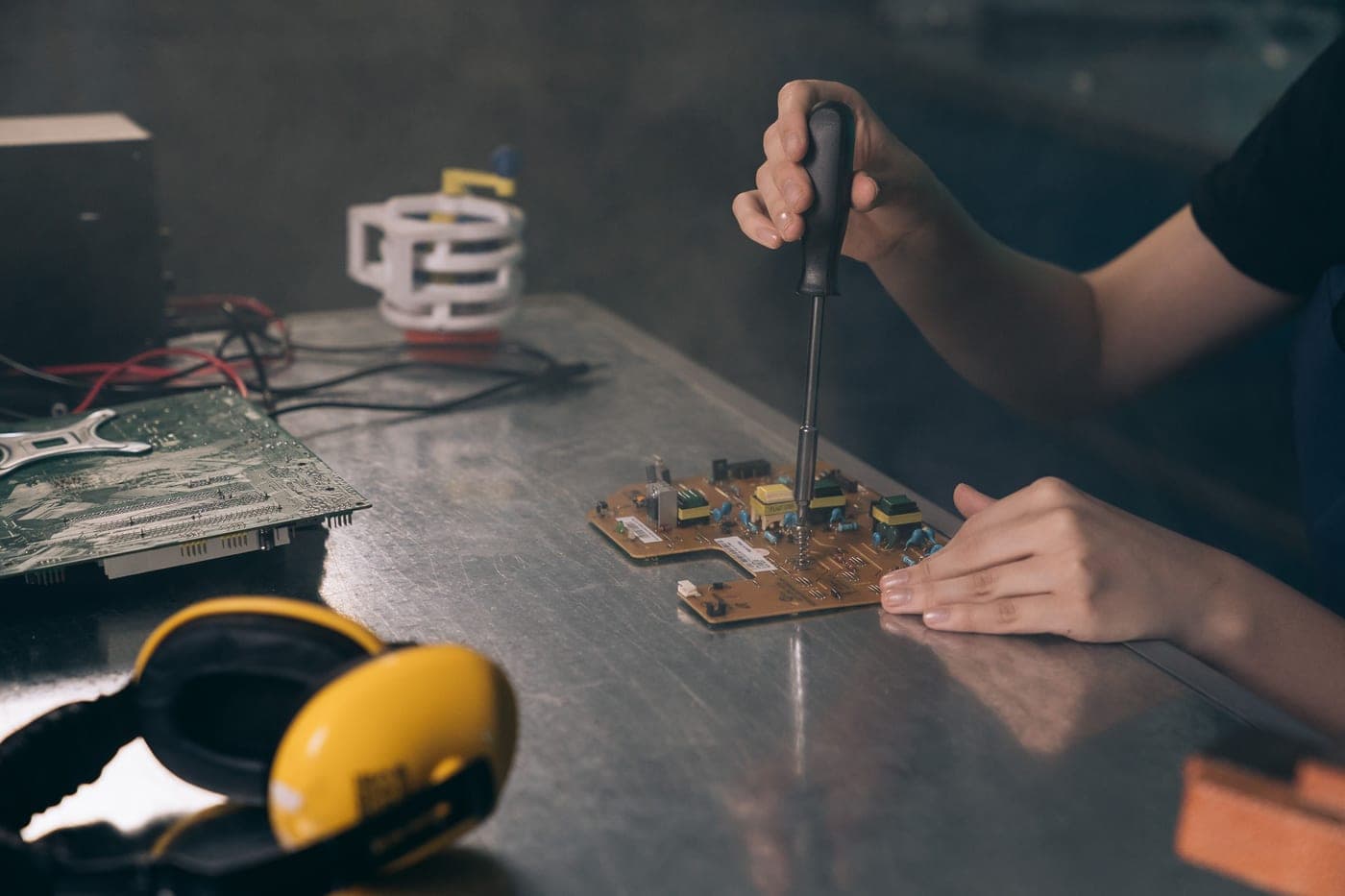
Six steps, cheapest first
Work through these in order: try a different cable, try a wall adapter instead of a computer port, clean the charging port with something non-metallic, let the light warm to room temperature, charge the cell externally if it is removable, and only then conclude the battery has failed. The first three fix most cases and cost nothing.
1. Change the cable
Cables fail constantly, usually at the strain relief where they bend, and a cable that still charges a phone may not carry enough current for a flashlight. This is the single most common cause and it takes ten seconds to rule out. Use a different cable you know works, not a different-looking one.
2. Change the power source
Manufacturers' published charge times assume a proper adapter — Sofirn specifies a 2A adapter for its 2.5-hour figure on the SC31 Pro. An older computer USB-A port may supply 0.5A, and some low-power ports will not reliably start a charge at all. Use a phone charger.
3. Clean the port
A light carried in a pocket collects lint, and a USB-C socket packs it down into a solid plug over months. With the light off, use a dry brush or a wooden toothpick and work gently. Never use a metal pin: you can short the contacts or bend them, which turns a free fix into a dead light.
4. Let it warm up
Charging a lithium cell below freezing damages it, so charge controllers refuse to do it. A light brought in from a cold car may simply decline to charge until it warms, and that is protection working correctly. Give it an hour indoors before concluding anything.
5. Charge the cell separately
If the light takes a removable cell, take it out and put it in an external charger. If the cell charges there but the light will not charge it, the fault is in the light's circuit. If the cell will not charge anywhere, replace the cell — a few dollars, and one of the main reasons to buy a light with a standard cell in the first place.
6. Accept the verdict on a sealed light
If the battery is built in and none of the above worked, the light has reached the end of its service life and there is nothing an ordinary owner can do. Check the warranty first — this is exactly the situation a warranty exists for, and brands with long warranties and spare-parts operations are worth remembering next time.
What not to do
- Do not push a metal pin into a charging port. You can short or bend the contacts and turn a cleaning job into a replacement.
- Do not charge a cell that is swollen, hot, leaking or physically damaged. Stop and dispose of it properly.
- Do not force a sealed light open to reach the cell. The seal is what the water rating depends on and you will not restore it.
- Do not leave a light that has misbehaved charging unattended on a soft surface.
How to make it less likely next time
Keep the port flap closed when the light is not charging, brush the port occasionally, use a short good-quality cable, and prefer lights that take a standard cell — with a replaceable battery, a charging fault in the light is an inconvenience rather than the end of the product.
Units we claim to have tested: 0
Every publisher in this category says they tested twenty flashlights. We have not tested any, and we say so. What we do instead: compile the manufacturer's own published ANSI FL1 figures, pull the price the light is selling for right now, and divide one by the other. Every number on this page is one you can check yourself in about two minutes.
Common questions
Why is my rechargeable flashlight not charging?
Most often the cable, the power source or a dirty port rather than the battery. Try a known-good cable, use a wall adapter instead of a computer USB port, and clean the socket with a dry brush or wooden toothpick. If the light has been somewhere cold, let it warm up first — charge controllers refuse to charge lithium cells below freezing.
Why won't my rechargeable flashlight turn on?
Check for a lockout mode first — many lights have an electronic lockout to prevent activation in a pocket, usually released by a rapid double or quadruple click, and it is by far the most common cause. If that is not it, the cell may be too flat to start the driver; leave it charging for a full hour before concluding anything.
Why is my LED flashlight blinking?
Usually a low-voltage warning: many lights flash to signal that the cell is nearly empty, and some step down in output at the same time. It can also indicate a poor connection — a loose tailcap, a dirty contact or a cell that is not seated. Charge it fully first and see whether the behavior clears.
Why did my LED flashlight turn blue or change color?
Some lights use a colored indicator LED behind the switch to signal charging status or low voltage, so a blue or red glow is often the light telling you something rather than a fault. If the main beam itself has changed color, that usually indicates the emitter has been overheated at some point, which is not repairable.
Sources
- Sofirn published product specifications — read 2026-09-01
- NEBO published product specifications — mode-by-mode lumen, runtime and beam figures, read 2026-09-01; LUXTREME SL75 and SL50 read 2026-09-22; OMNI 2K and SLYDE KING 4K read 2026-10-18
- Streamlight published product specifications — per-mode lumens, runtime, beam distance, impact and IP ratings, read 2026-09-01; Waypoint 400 and Waypoint C-cell read 2026-09-22; FlipMate read 2026-10-18
- Lumen & Ledger method — how every figure on this page is derived
Who writes this
Scooter M. — I am an enthusiast who is genuinely into this. I read the manuals, compile the published specs, and do the math. No lab coat, no test bench, no drawer of free samples. What I can tell you is exactly what a light claims on paper, exactly what it costs right now, and what those two numbers mean when you divide one by the other.
Read next
How long to charge a rechargeable flashlight
The arithmetic, the variables, and why your charger is probably the slow part.
How long do rechargeable flashlights last?
Cycle counts, calendar aging, and the question that decides it: can you re-cell it?
Why LED flashlights get hot
Where the missing watts go, and why the light dimming is the design working.
Best USB-C rechargeable flashlights
Why the port matters more than it should, and which lights got it right.
How to charge a rechargeable flashlight
Six steps, the two mistakes that shorten a cell's life, and what the indicator is telling you.
The Ledger
Every light we cover in one ranked table, sorted by lumens per dollar.